

Local History
Local History Links
Bath is a city full of stories, history and inspiration. Through our Local History curriculum, children explore the people, places and events that helped shape our wonderful city and discover why Bath is recognised around the world for its heritage and culture. Our learning encourages children to develop pride in their local area, understand how Bath has changed over time, explore significant local people and places and make meaningful links between the past and present.
Throughout the year, and especially during Local History Month, we connect local history learning to wider historical themes studied across the curriculum. This helps children see how world history is reflected within Bath itself. From linking the Romans to the Roman Baths, space and exploration to the work of William Herschel and Caroline Herschel, the legend of King Bladud to local fieldwork and geology learning to the use of Bath stone across the city. Through fieldwork, creative projects, investigations, artwork, storytelling and display work, children develop a deeper understanding of Bath’s rich heritage.
Our Local History curriculum is also closely linked to our Golden Threads of Diversity, Inclusion and Sustainability. Children learn about a diverse range of historical figures connected to Bath, including George Bridgetower and Haile Selassie, helping them explore themes of equality, representation, migration and community. Sustainability is explored through learning about Bath’s natural environment, architecture and the importance of preserving our historic city for future generations. High-quality texts are carefully woven throughout the curriculum, including the works of Jane Austen and Black Beauty, inspiring curiosity, empathy and a love of reading while deepening children’s understanding of local history.
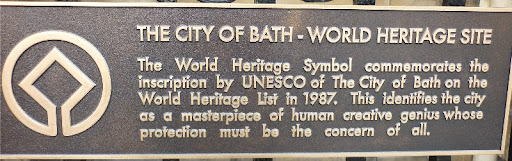
UNESCO World Heritage Site
Bath is the only city in the UK to be designated a UNESCO World Heritage Site in its entirety. In 2021, Bath also received a second UNESCO listing as part of the Great Spa Towns of Europe.
The city is famous for:
- Roman remains and natural hot springs
- Georgian architecture
- Bath stone buildings
- cultural and literary history
- scientific discovery
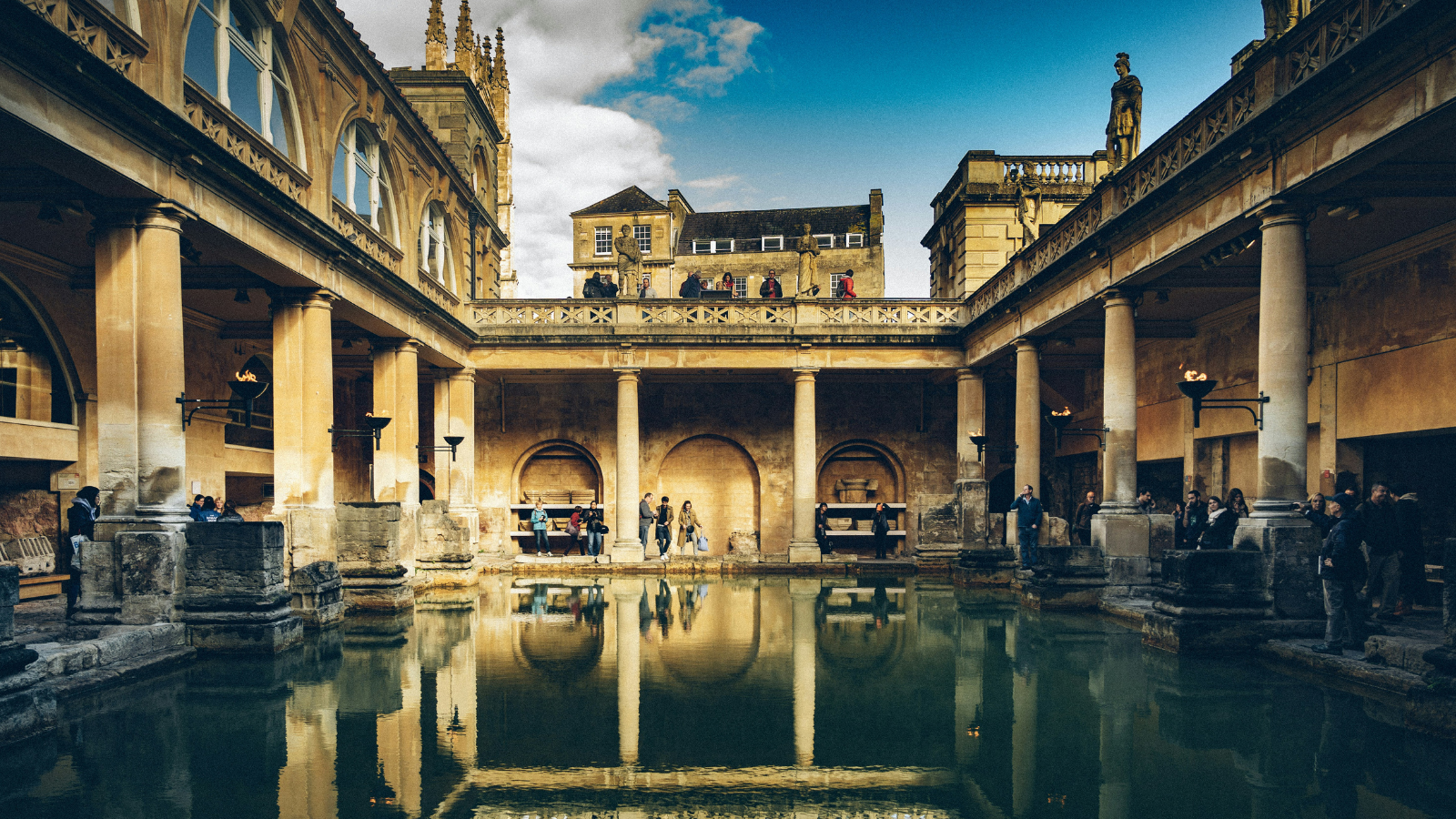
Roman Baths and Hot Springs
The natural hot springs beneath Bath have attracted visitors for thousands of years. The Romans built the famous Roman Baths around the thermal waters, creating one of the most important historic sites in Britain.
Children explore how the Romans lived, why the baths were important and how Bath developed around the hot springs.
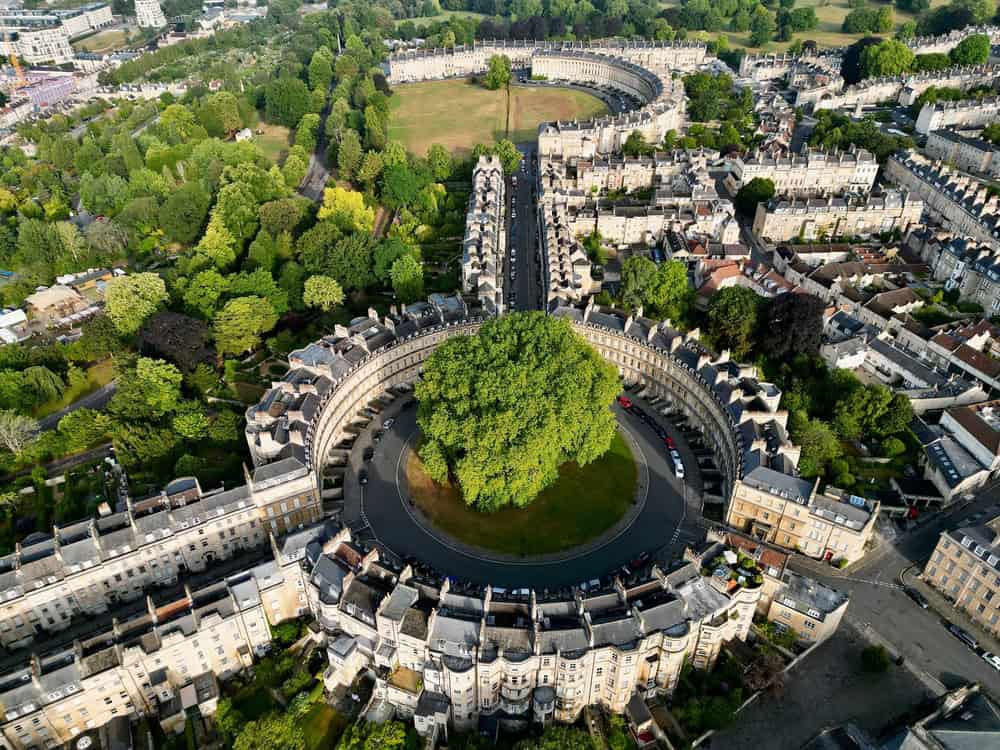
Bath Stone and Georgian Architecture
Bath’s beautiful honey-coloured buildings are made from Bath stone, an oolitic limestone that was quarried locally. Architects such as John Wood the Elder, John Wood the Younger and Ralph Allen helped shape the city during the Georgian period.
Their work created some of Bath’s most famous landmarks, including:
- The Royal Crescent
- The Circus
- Prior Park
- The Assembly Rooms
Famous People Connected to Bath
Bath has been home to many significant historical figures whose ideas, discoveries and creativity continue to inspire today.
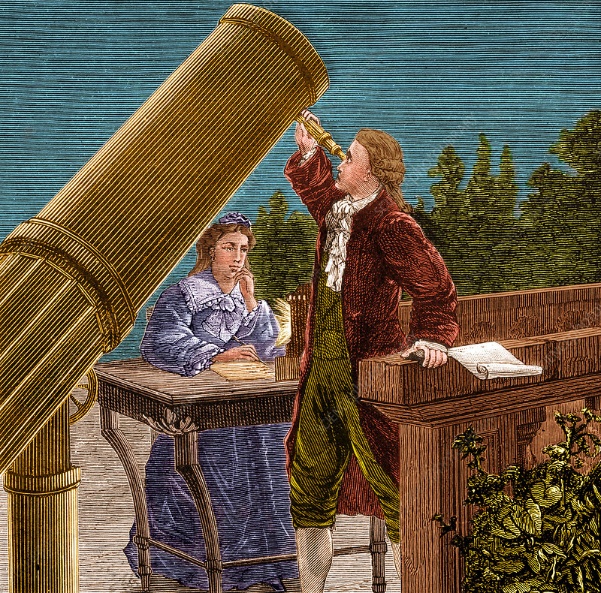
William Herschel and Caroline Herschel
The Herschels lived and worked in Bath, where William discovered the planet Uranus and Caroline became one of the first female astronomers to gain international recognition.
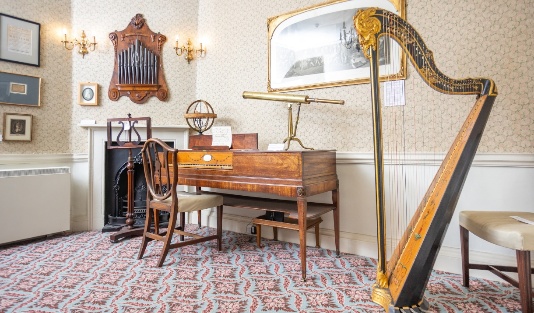

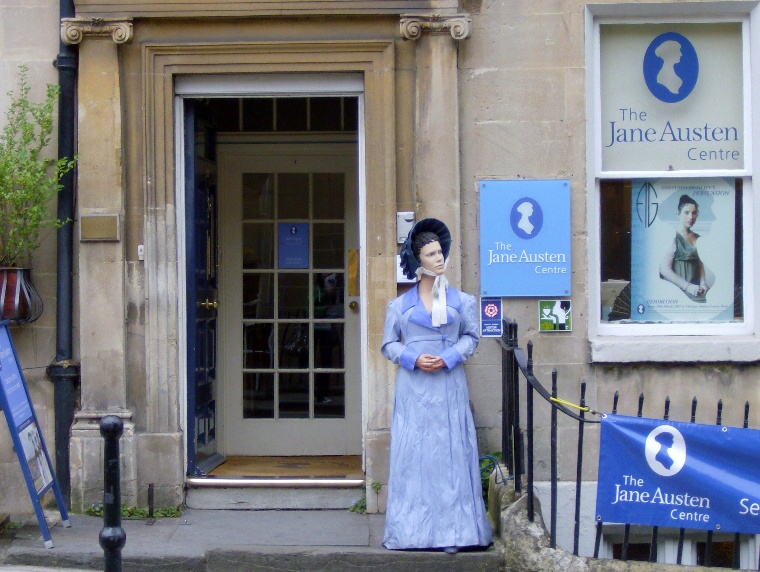
Jane Austen
Jane Austen lived in Bath for several years and the city inspired parts of her novels Northanger Abbey and Persuasion. Bath’s elegant Georgian society, assemblies and architecture all influenced her writing.
Anna Sewell and Black Beauty
Anna Sewell’s famous novel Black Beauty helped change the way people treated horses and working animals. The story encouraged kindness, empathy and better treatment of animals during Victorian times.
Moorlands Schools Federation is built on land once connected to Moorlands House, where Anna Sewell is believed to have spent time and found inspiration for her writing.


The horse emblem used by Moorlands Schools Federation is directly linked to Black Beauty.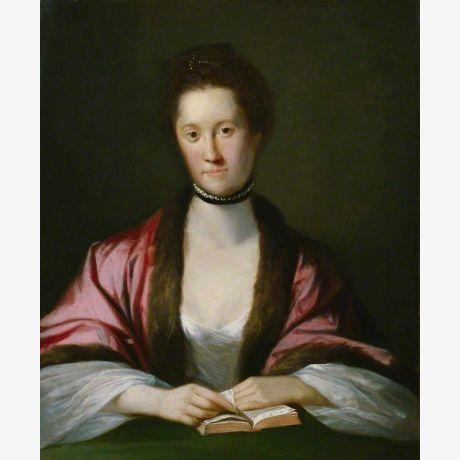
Haile Selassie
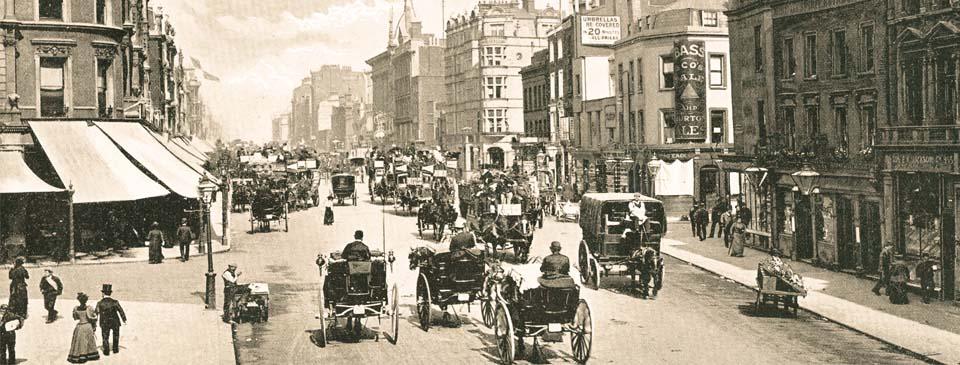
Emperor Haile Selassie of Ethiopia has an important connection to Bath through Fairfield House, where he lived for a time after being exiled from Ethiopia during the Second World War.
While living in Bath, Haile Selassie became a respected member of the local community. Fairfield House remains an important cultural and historical site and is now recognised as a centre celebrating Ethiopian heritage and community history.
Learning about Haile Selassie helps children understand:
- Bath’s international connections
- refugee and migration stories
- cultural diversity within our city
- the importance of community and belonging
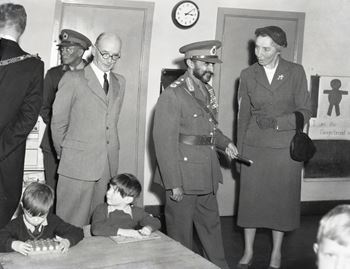 Emperor Haile Selassie’s visit to Moorlands 1954
George Bridgetower
George Bridgetower was a famous Black violinist and composer who performed in Bath during the late eighteenth century. He was known across Europe for his extraordinary musical talent and performed for large audiences as a child musician.
Bridgetower later became friends with the composer Beethoven, who originally dedicated one of his violin sonatas to him. Today, George Bridgetower is recognised as an important historical figure whose achievements were overlooked for many years.
Learning about George Bridgetower helps children explore:
- diversity in local history
- hidden historical figures
- music and performance in Georgian Bath
- the importance of recognising all voices in history
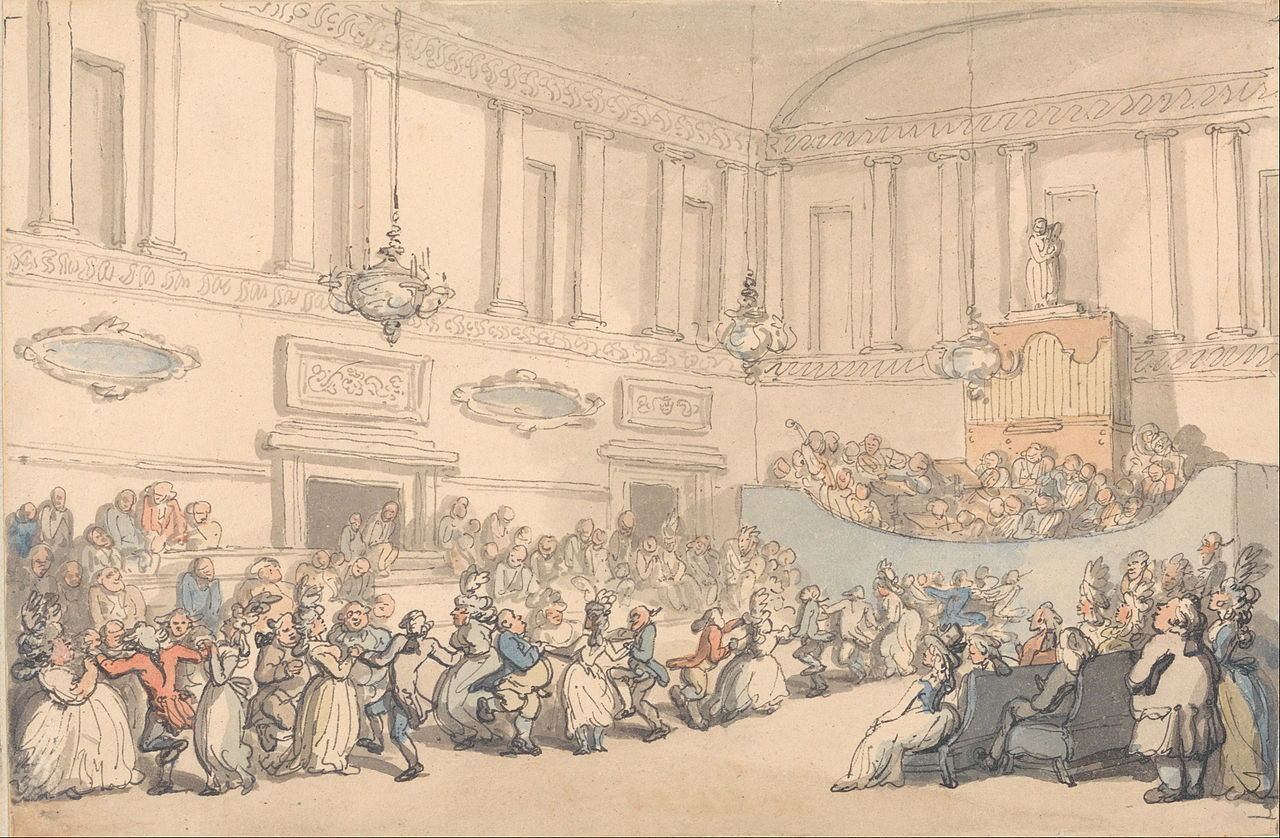 Bath Assembly Rooms where George Bridgetower performed in 1789
Legends and Stories of Bath
Children also explore the legend of King Bladud, who is said to have discovered Bath’s hot springs after noticing pigs bathing in the warm mud. This famous local legend helps children understand how stories and myths become part of a city’s identity.
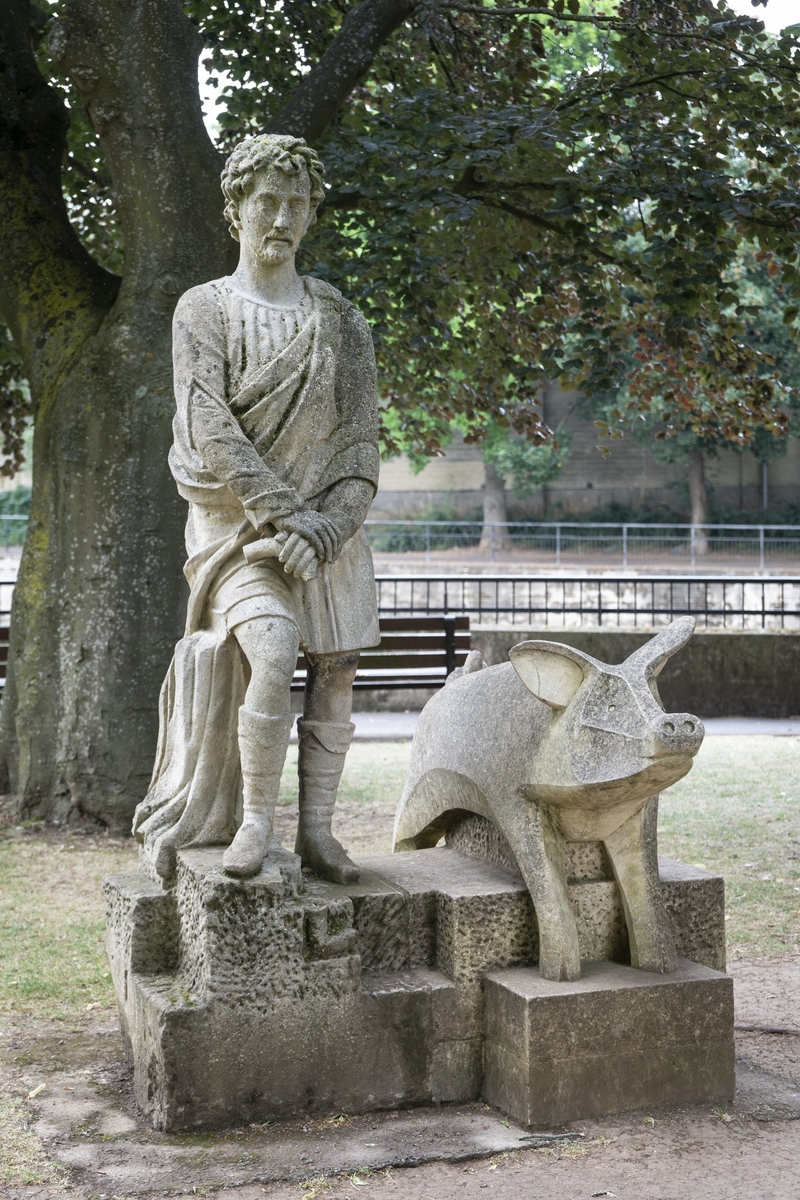
King Bladud statue in Parade Gardens
Why Local History Matters
Studying local history helps children understand:
- where they live
- how communities change over time
- how important people and events shape the world around us
By exploring Bath’s rich heritage, children develop curiosity, creativity and pride in their local community.